1. Beyond Insulation: Core Requirements for Cold Chain Packaging
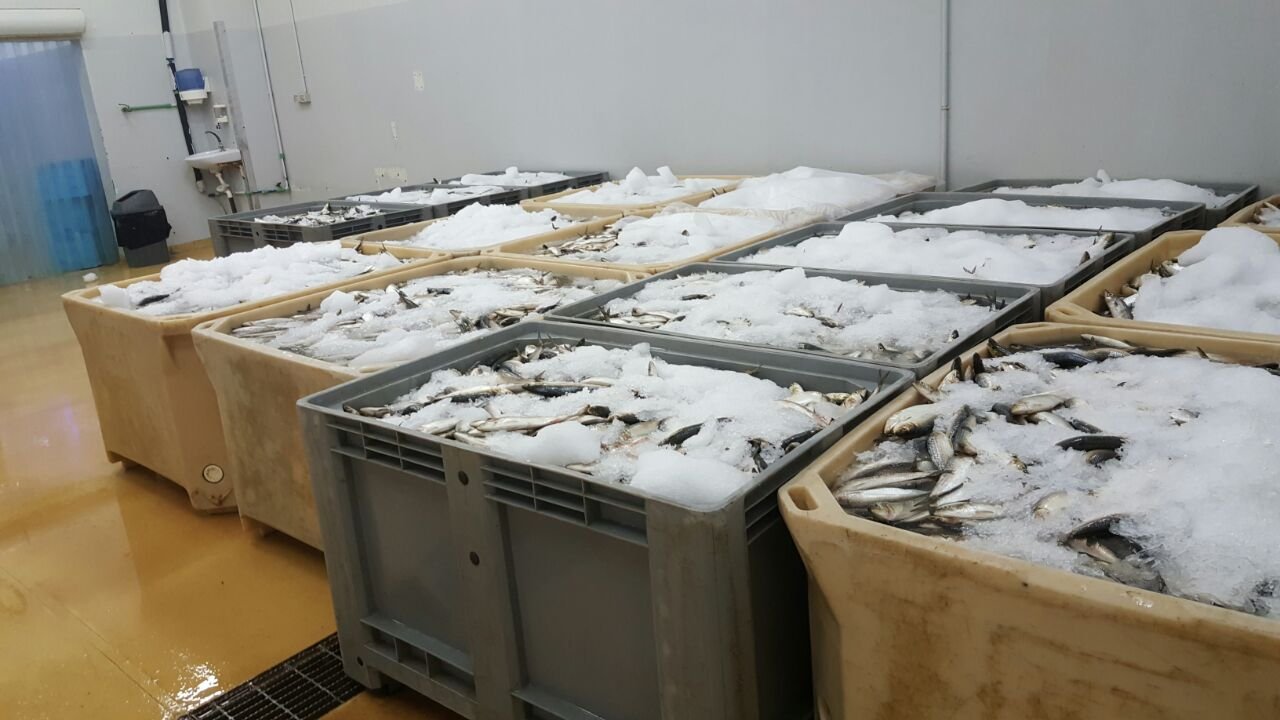
In a temperature-controlled supply chain, a reusable plastic pallet box is more than just a container; it’s a critical component for maintaining thermal stability, preventing cross-contamination, and optimizing handling efficiency. An effective cold chain packaging solution must meet four fundamental requirements:
- Superior Temperature Tolerance: It must maintain its structural integrity without cracking or warping in deep-freeze environments (down to -30°C / -22°F) and during frequent temperature fluctuations.
- Uncompromised Hygiene and Safety: The material must be non-toxic, odorless, and suitable for food or pharmaceutical contact. Surfaces should be smooth and free of crevices to allow for easy and thorough cleaning and sanitization.
- Robust Structural Strength: The box must withstand the stress of full loads, stacking, and forklift handling, possessing excellent impact resistance for demanding logistics operations.
- Full Compliance and Traceability: It must meet industry standards like HACCP and GMP and be compatible with tracking technologies like RFID or barcodes for end-to-end supply chain visibility.
2. Thermal Stability is Key: How Material Choice Impacts Performance
The temperature resistance of a plastic pallet box is directly determined by its base material. For cold chain applications, the two most common materials are High-Density Polyethylene (HDPE) and Polypropylene (PP).
- High-Density Polyethylene (HDPE): This is the premier material for low-temperature pallet boxes. Virgin HDPE offers outstanding low-temperature toughness, remaining stable and resilient in a typical temperature range of -30°C to +60°C (-22°F to +140°F). This makes it the ideal choice for frozen foods, ice cream, and other deep-freeze storage and transport needs.
- Polypropylene (PP): While standard PP can become brittle at low temperatures, impact-modified PP grades can be suitable for some refrigerated applications (typically not below -10°C / 14°F). The primary advantages of PP are its higher rigidity and heat resistance.
3. Hygiene First: Cleaning, Sanitization, and Chemical Resistance
For the food and pharmaceutical industries, cleanliness is a non-negotiable.
3.1 Designed for Cleanliness
Prioritize boxes with smooth interior surfaces, rounded corners, and no external ribbing. This hygienic design prevents dirt and bacteria from accumulating in hard-to-reach areas, aligning with HACCP and GMP principles.
3.2 Chemical Resistance
Common sanitizing agents used in cold environments (e.g., chlorine-based, quaternary ammonium, peroxides) can degrade certain plastics over time. A high-quality cold chain plastic pallet box should be made from HDPE, which offers excellent resistance to these chemicals. This ensures the box surface remains smooth and its performance is not compromised after repeated sanitization cycles.
4. Your Compliance Passport: Key Certifications to Look For
Compliance is your ticket to high-standard supply chains. When selecting a pallet box, verify that the supplier can provide documentation for these key certifications:
- Food Contact Material Certification: Look for FDA (U.S. Food and Drug Administration) compliance or adherence to European standards like (EU) No. 10/2011. This certifies that the plastic resin and colorants are safe for direct or indirect food contact.
- Quality Management System Certification: ISO 9001 is a fundamental indicator that the manufacturer has standardized processes for consistent quality and production.
- HACCP / GMP System Compatibility: While the box itself is not certified, its design and materials must support your facility’s ability to implement and maintain a HACCP or GMP program.
Frequently Asked Questions (FAQ)
Q1: What are the common temperature ratings for plastic pallet boxes?
A: They generally fall into three categories:
1) Standard Duty (PP Material): Suitable for ambient temperatures above 0°C (32°F).
2) Cold-Resistant (Modified PP or HDPE): Designed for a broad range from -18°C to +40°C (0°F to 104°F).
3) Deep-Freeze Grade (Virgin HDPE): Specifically engineered for consistent temperatures below -18°C (0°F), especially around -30°C (-22°F), offering the best low-temperature toughness.
Q2: Will frequent chemical sanitization reduce the lifespan of a cold chain pallet box?
A: It can have an effect, but the extent depends on the box material and the sanitizer’s type and concentration. This is why we strongly recommend food-grade virgin HDPE, which has excellent resistance to most commercial sanitizers. Following correct dilution ratios and cleaning procedures will minimize any impact and ensure a long service life.